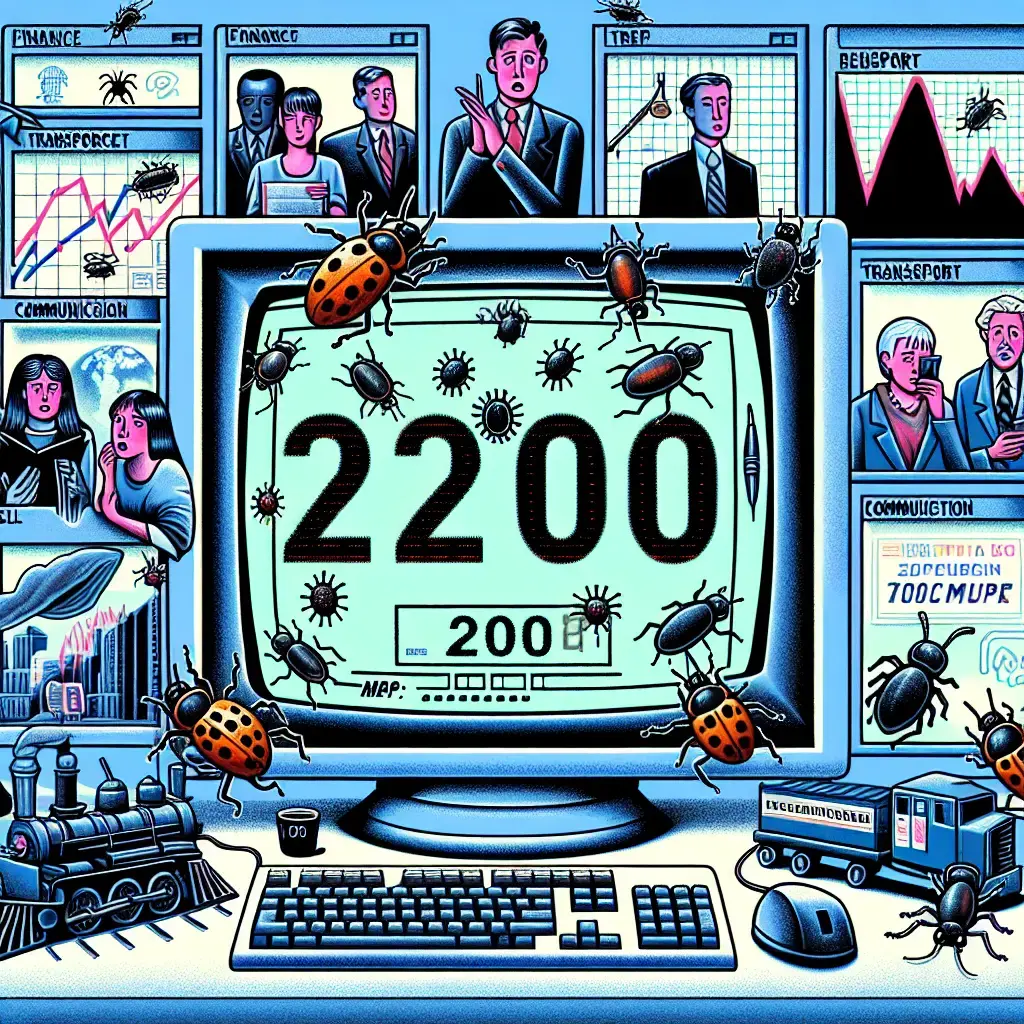
At the dawn of the new millennium, the world faced a technological challenge that threatened to disrupt modern society: the Y2K computer glitch. Often referred to as the "millennium bug," this issue was more than a simple programming oversight; it carried profound implications for technology and society alike. As the clock ticked closer to January 1, 2000, concerns over Y2K's impact on technology became palpable. Computers worldwide faced potential failures due to outdated software systems unable to process the date change effectively, prompting an urgent call for Y2K software updates and crisis management strategies.
As we reflect on the Y2K phenomenon, it's important to understand its profound impact on both technology and society. This event, often symbolized by the "millennium bug," was not merely a technological hiccup but a moment that reshaped our digital future. In light of recent discussions and developments, let's delve into how Y2K continues to influence our world.
Y2K Technology Effects: A Catalyst for Change
The Y2K computer glitch highlighted vulnerabilities in our technological systems that were previously underestimated. As January 1, 2000, approached, the fear of potential system failures due to outdated software systems unable to handle the date change spurred an unprecedented level of preparedness. This urgency led to significant software updates, fostering a new era of technological advancements.
For a deeper understanding of this period, consider exploring the Apple @ Work Podcast, which discusses the cooperative efforts during the Y2K scare. This podcast provides an insightful look into how organizations worldwide collaborated to manage this crisis, illustrating how the Y2K issue was not just a problem but also an opportunity for innovation, laying the groundwork for today's robust IT infrastructures.
The Millennium Bug Consequences: Lessons Learned
The consequences of the millennium bug were far-reaching, with both immediate and long-term implications. Initially, there was widespread fear of catastrophic failures across critical sectors such as banking, transportation, and healthcare. However, thanks to extensive crisis management strategies and a collective societal response, these fears were largely unfounded.
The concerted effort to address these issues not only prevented major disruptions but also prompted significant changes in the IT industry. According to a study by The Journal of Technology Studies, the Y2K crisis instigated major shifts in how software development and risk management are approached. This legacy of enhanced system resilience is a testament to human ingenuity and adaptability.
Y2K Society Changes: A New Approach to Risk
Beyond technology, the Y2K experience triggered substantial societal changes. The massive mobilization for problem resolution demonstrated a unique societal capability to unite against a common threat and prompted a re-evaluation of risk management strategies across industries.
In today's world, where digital threats such as cyber-attacks are ever-present, the historical impact of Y2K remains relevant. The spirit of collaboration and innovation necessary for tackling the Y2K challenge continues to inspire current approaches to technological risks.
Y2K Legacy: Economic Effects and Cultural Influence
The economic effects of Y2K were multifaceted. While there was considerable investment in readiness—estimated at hundreds of billions globally—the resultant enhancements in technology infrastructure have yielded long-term benefits. These investments have arguably paid dividends by preventing potential disruptions and fostering a culture of vigilance and preparedness in technology management.
Moreover, the cultural impact of Y2K is evident in various forms of media and entertainment. For instance, the music industry has seen a resurgence of Y2K-themed content, as seen with artists like George Clanton & TV Girl. Their single "Summer 2000 Baby" draws inspiration from the era's pop culture, illustrating how Y2K continues to captivate our collective imagination.
Reflections on Future Advancements
Looking ahead, the lessons learned from Y2K are instrumental in shaping our approach to future technological challenges. The emphasis on system resilience, collaborative problem-solving, and proactive risk management are principles that continue to guide advancements in technology and society.
As we navigate an increasingly complex digital landscape, the Y2K legacy serves as a reminder of our capacity for innovation in the face of potential crises. How can we apply these lessons to current global challenges? What new cooperative efforts might emerge as we confront the next wave of technological threats? These questions underscore the ongoing relevance of Y2K's impact on our world.
Conclusion: Y2K's Lasting Impact on Technology and Society
The Y2K phenomenon was a watershed moment that underscored the profound relationship between technology and society. As we reflect on its legacy, several key lessons stand out:
Key Takeaways:
- Technological Transformation: The Y2K crisis was a catalyst for significant advancements in software updates and IT infrastructure, paving the way for today's robust systems.
- Crisis Management Success: Effective crisis management strategies and global cooperation during the Y2K scare prevented major disruptions in critical sectors.
- Societal Unity and Innovation: The collective societal response to Y2K highlighted the power of collaboration and innovation in overcoming technological challenges.
- Economic and Cultural Influence: The economic investments made for Y2K preparedness have yielded long-term technological benefits, while the cultural influence of Y2K continues to inspire media and entertainment.
Reflective Thought:
As we navigate the complexities of our digital future, the Y2K legacy serves as a powerful reminder of our capacity for adaptation and resilience. The principles of readiness, collaboration, and proactive risk management are as relevant today as they were at the dawn of the new millennium. How can we harness these lessons to tackle current and future global challenges? What new cooperative efforts can emerge as we confront evolving technological threats?
I invite you to share your thoughts and experiences related to Y2K or similar technological challenges. Let's engage in a dialogue that continues to inspire innovation and resilience in our digital journey.
Author: Lucy Harding